

By Isabela Bonnevera for our CELEBRATE issue
I’ve been at the club for 20 hours when I decide to make one last trip down to the main floor. I pull my earplugs out of my pocket and stuff them into my ears; the back left speaker is thumping. Immediately I run into my friend E. just in front of it. He hands me a Chupa-Chup, dropping to one knee and offering it as if it’s an engagement ring. I laugh and accept. He first gave me a lollipop in the toilet queue on my birthday, and after running into him again a few weeks prior at a dinner party, he’d promised to bring me another one this Sunday — it’s become our little thing. He asks how my night is going and I ask about his, taking my earplugs out and putting them back into my pocket before they’ve even had a chance to settle into my eardrums. Talking to anyone with them in makes me feel like I’m drowning.
It’s a cold night in November, two weeks since the 2024 US presidential election. A heavy air hangs over the already-dark Berlin winter. But as soon as I step past the building’s door my chest feels a bit lighter. Viel Spaß, the bag checker says to me as he passes back my bag, items in disarray after his thorough search. As I change my pants for a miniskirt in the garderobe it strikes me what a privilege it is to be able to dedicate a Sunday to having fun.
The building — its quiet corners, angsty toilet queues, packed dance floors — is a mirror. When I find my surroundings unsettling, it’s an opportunity to sit with a part of my heart that isn’t at home. But tonight everything sparkles. Time folds onto itself, the equivalent of two working days passing by in a blink. Baby hairs slick with sweat against my forehead as I dance with A., mesmerized by their blood-red beret. At 4:08 a.m — four hours into a closing set by Cormac I’ve been eagerly waiting for— I pull out my Notes app. By this point in the journey, my vocal cords are often strained and so I resort to communicating in writing. I tap out a message that I then wave in front of the faces of my two current dance floor companions.
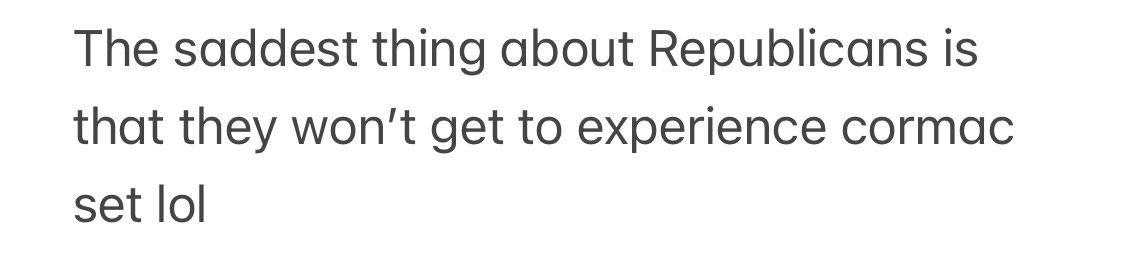
Neither of them seems to understand why I’m writing about Republicans. To be fair, the link is opaque, but to my blissed-out mind it makes total sense. All this hate, when you could choose to have this much love.
I’ve received news alerts in the club before and it’s always a strange dissonance, like receiving a telegram from Jupiter when you’re living on Mars. Fadi Mohem was playing in the garden when I suddenly received one from every news app on my phone that Joe Biden had stepped aside. I tapped a friend from Texas on the shoulder, showed them the message. “We’ll always remember where we were when we saw this news,” they say, even though I think both of us know deep down that there is no good to come from either side of the aisle.
Back on the November dance floor, realizing my friends won’t grasp the significance of what I’m trying to convey, I laugh to myself and tuck my phone back into my bag and don’t touch it again for hours. To my left, I see the same person I saw in front of the DJ booth at Cormac’s last set, the same day I first kissed a woman in public for absolutely nobody’s pleasure but my own.
R. leans in and tells me she wants a prosecco cranberry, so we go to the bar then venture back to the dance floor, following each other through the thinning crowd like penguins. A strobe flashes over S. at the exact moment that she lights a joint. I think to myself that she looks beautiful. I catch her eye and she catches mine. I jokingly use my fingers like a picture frame and take a mental snap.
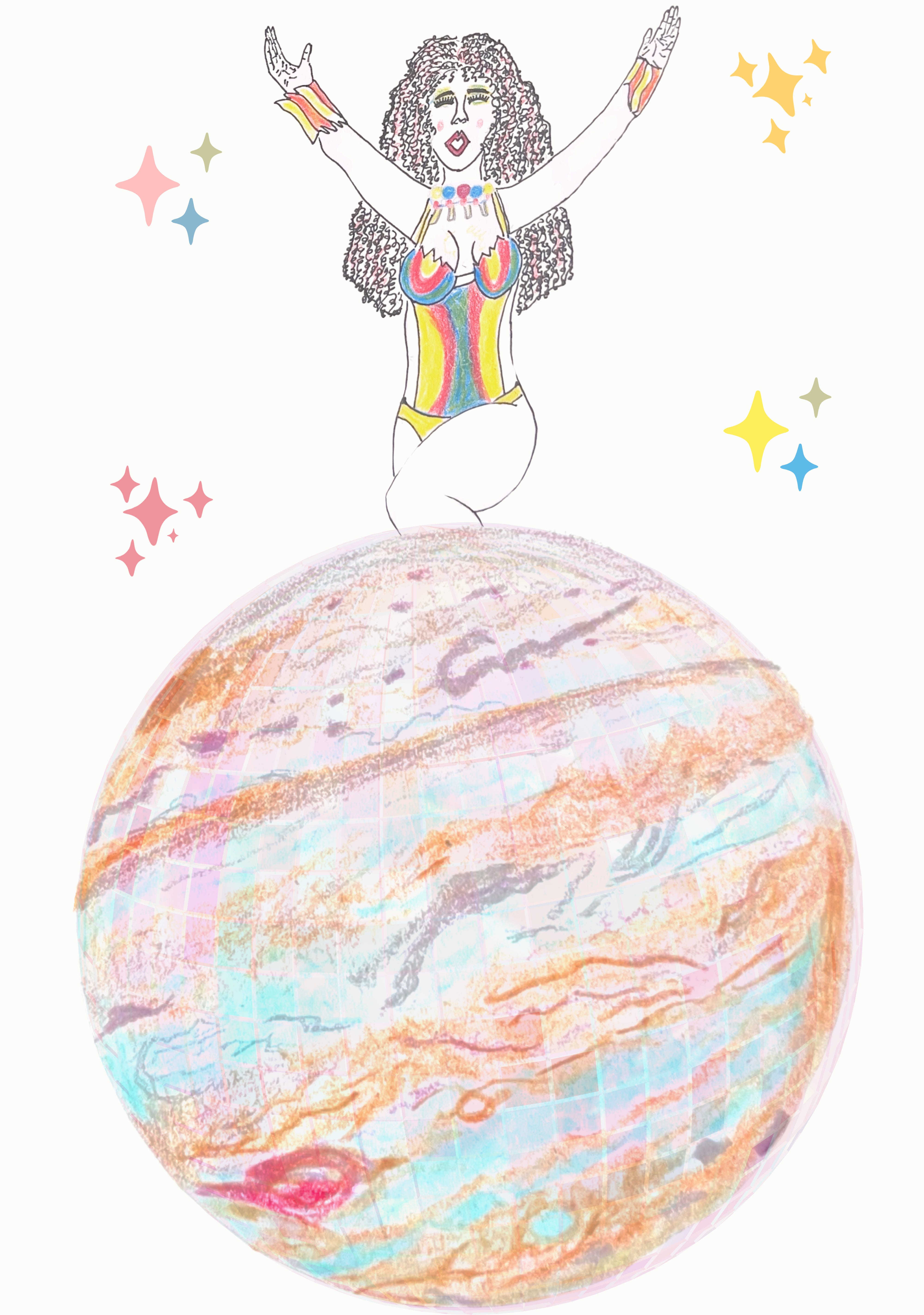
Cormac finishes his set with There Must Be an Angel by Eurythmics.
The blinds open. Everyone looks so beautiful bathed in the unusually keen winter sun. I love the idea that in an hour’s time, a good chunk of these dancers will be rolling bleary-eyed into offices around the city, fighting to stay awake through Monday meetings. I fold my plastic fan, stuff it into my waistband, and use both hands to rummage through my bag to find R. a cigarette. I put it in her mouth and light it for her.
A moment in time and when I close my eyes in the backseat of the taxi home, it already feels like a dream.
A month later, back home in Barcelona, I’m on the metro with O. and H., in town from Berlin for a warmer New Year’s Eve. As we steady ourselves around a pole, I see the woman seated in front of us is crying, hard. She looks so alone, so sad, that for a second I’m overwhelmed by the desire to distract her. I rummage in my bag and come up with the Chupa-Chup given to me in front of the speaker by E., which I’d been saving for a sugar hit.
Don’t do it, O. and H. shake their heads, sure that by offering it to her, I’ll make her feel worse. Quite a masculine way of wanting to be seen in the world, I think to myself; the idea that having your pain acknowledged by the world is a sign of weakness, that leaking into your surroundings signals an unbecoming porousness. When the crying woman looks up, I search for her gaze and smile and hold my hand out with the lollipop in it. She takes it and smiles back. Two stops later, she gets off with my small relic of that November night; I’m happy that it has the chance to live on, hoping that it will make the rest of her day just a tiny bit sweeter. All this hate, when you could choose to have this much love.
Isabela Bonnevera is a founding editor of Feminist Food Journal.